
• Skip to main content

LOGIN TO

MYBMD-2023_MYBMD-Main
BMD Menu Logo
MENU
  • Home
  • About
    • Our Story
  • Regions
    • Distribution Map
    • Northern California
    • Southern California
    • East
    • National
  • Services
  • Products
    • Agricultural Wire & Fencing
    • Concrete Accessories
    • Deck & Rail
    • Doors
      • Glenview Doors
    • Engineered Wood
      • Pacific Woodtech Treated LVL
    • Fasteners
      • GRK Fasteners
    • Fire-Rated Products
    • Forest Products
    • Insulation & Accessories
    • Power Tools
      • Paslode
    • Roofing & Accessories
    • Siding & Trim
    • Ventilation
    • Weatherization
      • Henry Products
    • Windows
  • Brands
    • BMD Brands
      • ALL, Inc.
      • Bridgetown
      • Builders Source Inc.
      • Carriage House Door
      • Glenview Entry Doors
      • INICIO Windows + Doors
      • Kansas City Millwork
      • Lightstyles
      • LIghtstyles & Builders Source Appliance
      • Master Fasteners
      • Moehl Millwork
      • QuickBuild
      • QuickBuild Pro
      • Texas Door & Trim
      • Western Fencing
      • Windows & Doors by Brownell
    • Partner Brands
      • Allura
      • SaferWood
      • Dolly Varden
      • GRK Fasteners
      • Henry Products
      • IG Railing
      • MiraTEC
      • MoistureShield
      • Pacific Woodtech
      • Paslode
      • RDI
      • RISE
      • Shakertown
      • Vulcan Vents
  • Projects
  • Divisions
  • Resources
    • Blog
    • Brochures
    • Line Cards
    • Project Gallery
    • Video Gallery
    • Webinars
      • Upcoming Webinars
      • Previous Webinars
  • Careers
  • CALL TODAY
    800-356-3001
MENU
×
  • Home
  • About
    • Our Story
  • Regions
    • Distribution Map
    • Northern California
    • Southern California
    • East
    • National
  • Services
  • Products
    • Agricultural Wire & Fencing
    • Concrete Accessories
    • Deck & Rail
    • Doors
      • Glenview Doors
    • Engineered Wood
      • Pacific Woodtech Treated LVL
    • Fasteners
      • GRK Fasteners
    • Fire-Rated Products
    • Forest Products
    • Insulation & Accessories
    • Power Tools
      • Paslode
    • Roofing & Accessories
    • Siding & Trim
    • Ventilation
    • Weatherization
      • Henry Products
    • Windows
  • Brands
    • BMD Brands
      • ALL, Inc.
      • Bridgetown
      • Builders Source Inc.
      • Carriage House Door
      • Glenview Entry Doors
      • INICIO Windows + Doors
      • Kansas City Millwork
      • Lightstyles
      • LIghtstyles & Builders Source Appliance
      • Master Fasteners
      • Moehl Millwork
      • QuickBuild
      • QuickBuild Pro
      • Texas Door & Trim
      • Western Fencing
      • Windows & Doors by Brownell
    • Partner Brands
      • Allura
      • SaferWood
      • Dolly Varden
      • GRK Fasteners
      • Henry Products
      • IG Railing
      • MiraTEC
      • MoistureShield
      • Pacific Woodtech
      • Paslode
      • RDI
      • RISE
      • Shakertown
      • Vulcan Vents
  • Projects
  • Divisions
  • Resources
    • Blog
    • Brochures
    • Line Cards
    • Project Gallery
    • Video Gallery
    • Webinars
      • Upcoming Webinars
      • Previous Webinars
  • Careers
  • CALL TODAY
    800-356-3001

Kong Vang

KBIS&IBS

Wednesday, February 16th, 2022
9:00 a.m. PST

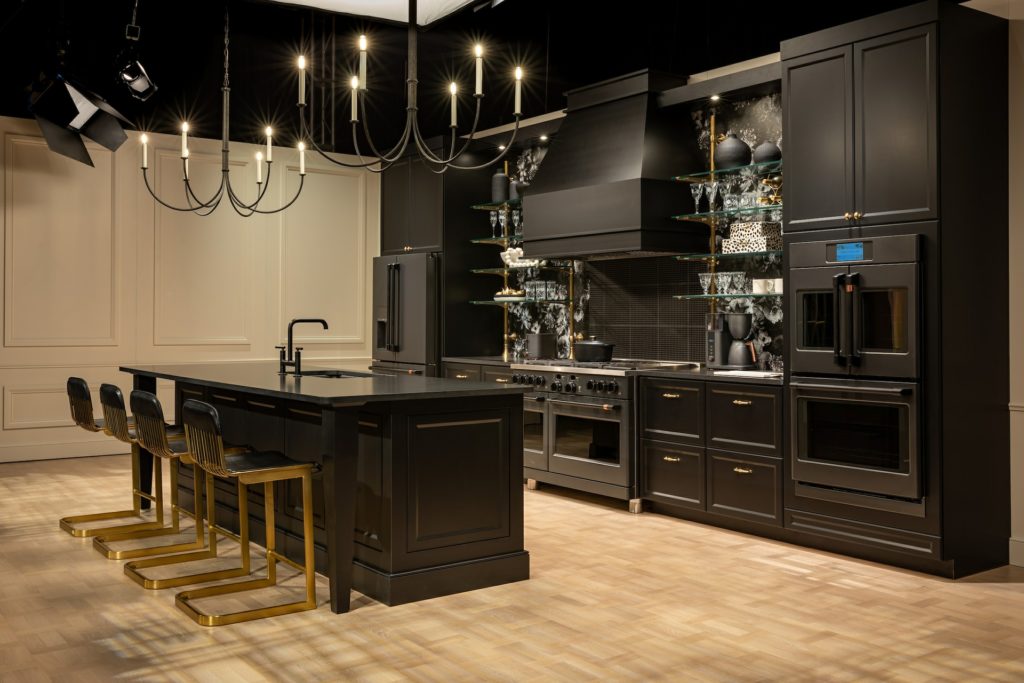
Didn’t have the opportunity to attend KBIS and/or NAHB’s IBS shows? We’ve got your covered! Join us for a comprehensive review of innovative new products, fresh design solutions, and evolving home technology from the following industry experts who attended the shows in Orlando.

Jeremy
Jeremy Miller
Sr Commercial Director – SmartHome Solutions, GE Appliances

Jeremy Miller is Sr Commercial Director – SmartHome Solutions for GE Appliances, where he is responsible for driving the marketing and commercialization strategy for the company’s B2B and B2C connected home platform called SmartHQ. Prior to joining GE Appliances, Jeremy was VP of Marketing at AI startup Sentient Technologies where he led the business’ growth and marketing initiatives, driving $36M in new business opportunity. Before Sentient, Mr. Miller was the Customer Innovation Leader at GE’s Measurement & Control business where he was responsible for identifying new market opportunities for GE’s industrial solutions in the power generation and oil & gas verticals. Prior to joining GE Measurement and Control, Jeremy was software product manager at GE Appliance’s where he worked for nearly 3 years helping the company develop and bring to market its appliance IoT platform. Before working for GE, Mr. Miller held various roles at startups in product marketing, business development and product management.

TK
TK Wismer
Designer Department of the Interiors

T.K. Wismer started her career as a set and wardrobe designer, breathing life into commercials, television, and photography. In 2014, Wismer launched her company, Department of the Interiors, turning her focus toward residential and commercial interior projects. In 2017, she consulted with the group of strategists and designers at Deckel & Moneypenny, where she was introduced to the Café brand and fell in love with experiential storytelling and creating immersive environments. This is Wismer’s fifth KBIS season. Her unique point of view identifying trends and her ability to translate those strategies into compelling, integrated storytelling moments within the built environment has resulted in her disruptive designs being recognized as some of the best in the industry.

Ryan
Ryan Rutzick
General Manager / President, ALL Inc.

Mr. Rutzick served as Executive Vice President and has been instrumental for the rapid growth of sales through his efforts advancing business development and building ALL Inc. into one of the nation’s largest builder distributors. Over his tenure, Mr. Rutzick has personally generated over $145 million in sales and growing ALL Inc.’s combined sales of near $715 million since 2003. He is active in a variety of civic, non-profit and industry trade associations. Mr. Rutzick is the founding member of the Saint Paul Area Chamber of Commerce (SPACC) Young Professionals (YPro) group in 2005 and served on SPACC’s Board of Directors from 2010 to 2019. He has also been a board member of the Minnesota Multi-Housing Association, Jewish Family and Children’s Service of Minneapolis, and currently a board of director for Housing First Minnesota. In addition, as an industry leader, Mr. Rutzick sits on leadership councils for GE, Whirlpool, Electrolux, Samsung, and LG. Mr. Rutzick holds a Bachelor of Arts from the University of Wisconsin Madison.
VIEW VIDEO HERE

Working on upcoming topics and dates.
Please check back and watch your email for details.

Glenview Entry Door 301PW

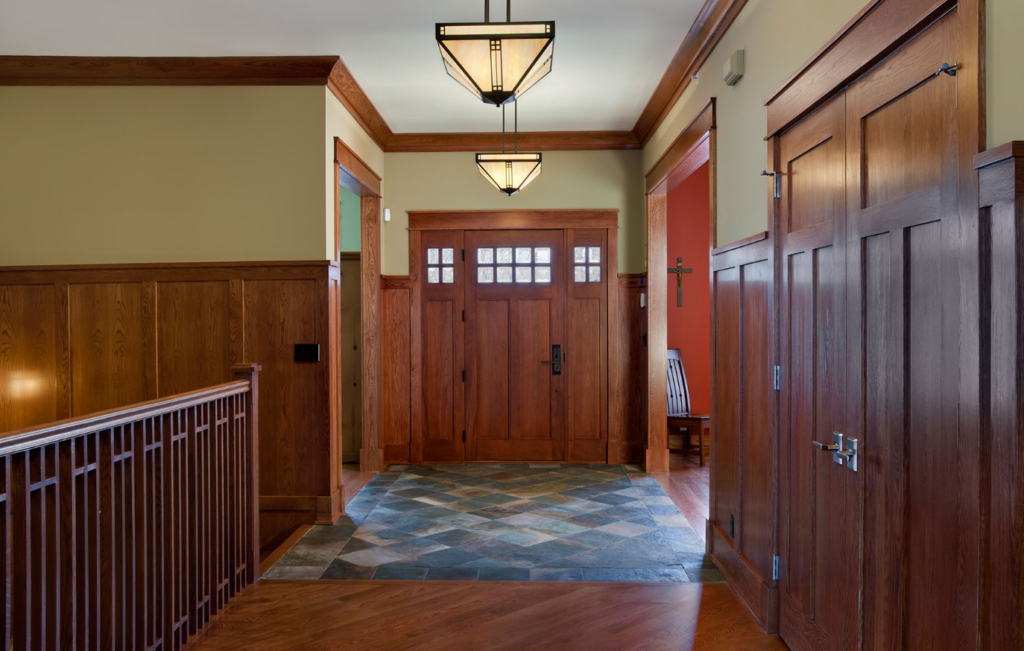
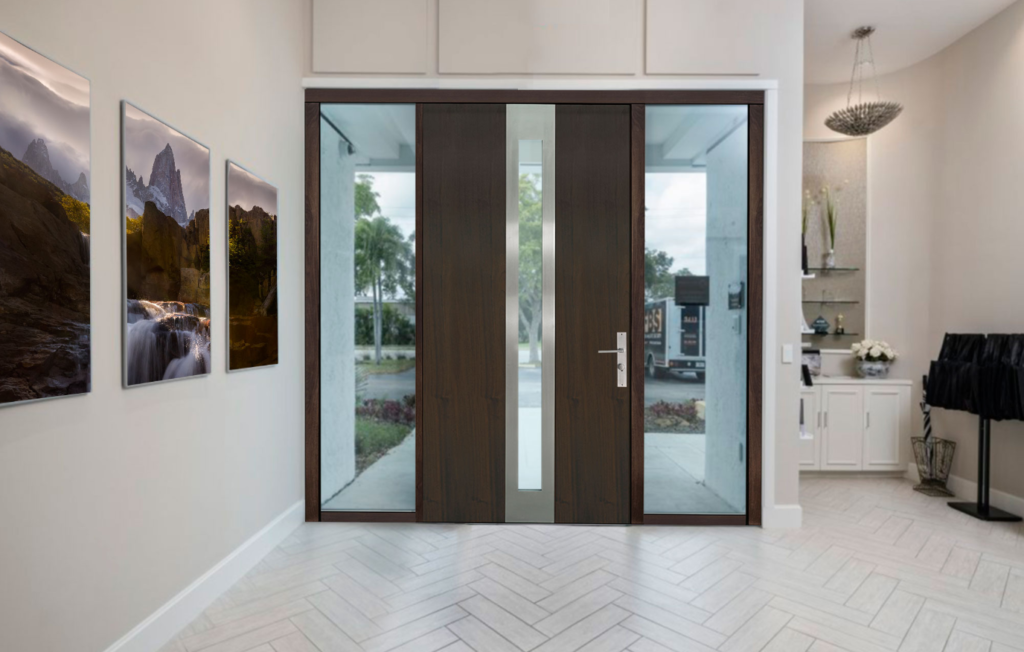
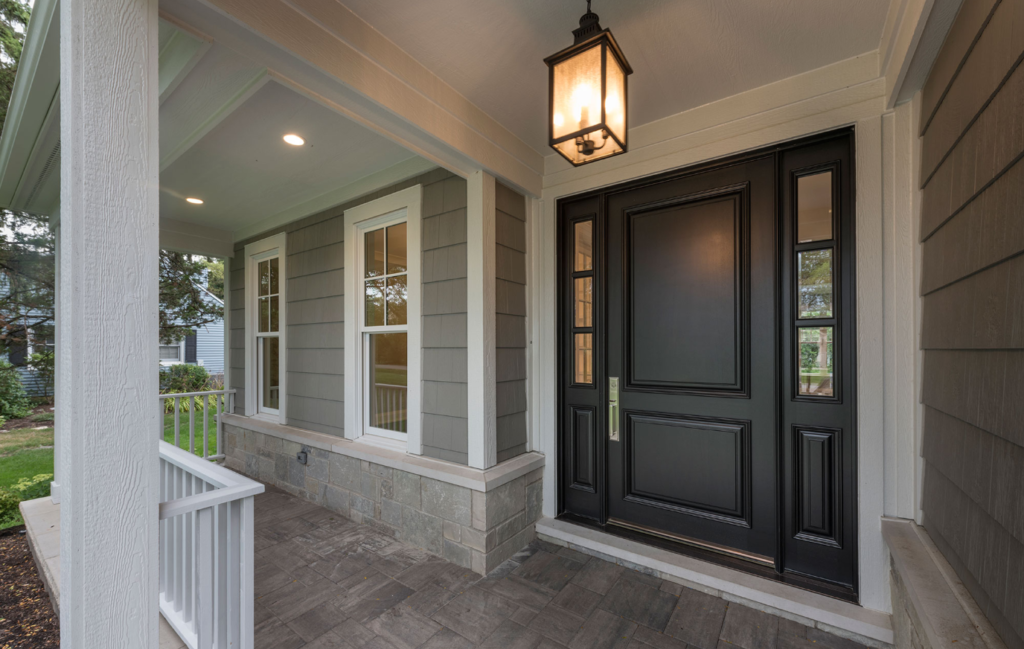
Updating your front door can increase the value of your home overall. As a homeowner, an inviting front entry to your home means greeting your visitors with their best foot forward. If you’re selling your house, it could also be the difference between your house selling tomorrow versus months from now.

The numbers don’t lie. Updating your front door could be the tipping point that gets a house noticed. 

The Numbers

Anytime you are looking to update a component of your home, it’s essential to look at the return on your investment. When it comes to your front door, you have the potential to get a major return for a relatively inexpensive update. The national average return on investment from adding a high-quality front door – like one from Glenview Doors – you could see a return on your investment of about 75%. 

Glenview Entry Door 552DG

One of the reasons a new front door is such a great investment is that it won’t be a project that forces you to take out equity from your home or get a second mortgage. Of that money you spend on your new front door, you could see at least ¾ of the cost go back into the value of your home. Plus, installing a new front door won’t take months or weeks. It can often be finished in a day!

Beyond The Numbers

Glenview Entry Door 311

If the numbers don’t entice you to upgrade your front door, there are plenty of other reasons to consider it, whether you’re planning to stay in your home for the long haul or looking to sell:

Attracts Potential Buyers

If you’re looking to sell your home, one of the first things you should consider doing is updating your entryway because it’s one of the fastest ways to attract people who might be interested in your home. The more buyers your home brings in, the more chances you have to sell it and sell it quickly. If they feel the house is warm and welcoming, they’ll be more likely to come inside and fall in love. 

Adds Vibrancy

One of the best parts of updating your entryway with a new front door is that you can give your home a quick and easy facelift, especially when you consider adding some color. There are several popular colors you should consider when buying your home if you want to stray from the natural wood tones:

  • Black: Offering a sleek and modern vibe, black is a versatile choice that’s the best in terms of resale value. It can add a touch of sophistication without being too stuffy. 
  • White: Always classic, white doors are universally loved and are remarkably adaptable. They can come off as classy or contemporary, timeless or bold, depending on the rest of your home’s facade. 
  • Navy Blue: A popular choice in recent years is Navy Blue for its ability to be both sleek yet traditional. If you’re nervous about the boldness of black, Navy Blue is a great alternative. 
  • Yellow: You’re an individual who dances to the beat of their drum. You can show off that personality with a bright pop of color on your front door. Choosing a shade like yellow gives off a happy feeling that is sure to grab everyone’s attention. However, it’s more of a gamble, as a future buyer may not appreciate your individuality. 
  • Red: If yellow is a bit much for you, but you still want some color to brighten up your entryway, try a shade of red. Still eye-catching, red can be either bold or traditional. If you want a toned-down version, consider burgundy. 

Prevent Drafts

In the middle of winter, no one wants to feel the chill of a draft coming from the front door. But this is all too common with older doors due to rotting weatherstripping and warped jambs. If you start to notice damage or wear to the weatherstripping on your door or to the door itself, it can also tell potential buyers that there could be other issues within the home. 

Not only does a new door help keep you comfortable in the frigid winters, but it can also improve the energy efficiency of your home. With lower energy bills, you’ll have more money in your pocket, and that will eventually offset the cost of your new front door. On top of that, you’ll be more comfortable, both in the winter and summer months. 

It’s More Welcoming

If you walk up to a home with a door that’s in disrepair, you will assume the state of the rest of the home. But, on the other hand, walking up to a new door that perfectly fits the house will give you a feeling of comfort and put you at ease. So what’s the first impression you want your home to give?

Security

Every homeowner wants to feel secure in their house. While much is spent on security systems, many forget the importance of a secure door. If your door isn’t correctly fitted or is past its prime, it can be much easier for someone to break in. You can have more peace of mind by replacing your old door with a brand new one perfectly fitted to your home. 

What To Look For

Glenview Modern Pivot Entry Door

Now that you want a new door, you start your search. But immediately, you’re met with a massive amount of options. So how do you pick the best one? There are a few things to look for:

Material

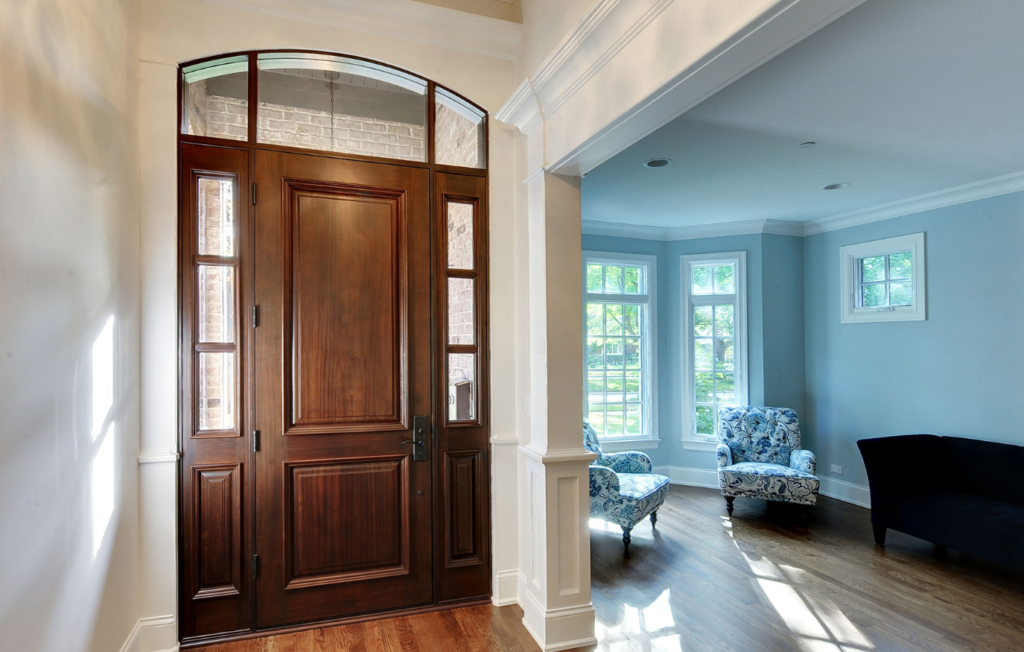
First, you should narrow down what material you want to use. If you want the best-looking front door or one that will be universally appreciated, going with a natural wood tone is always a great option, as one of the many selections from Glenview Doors, for example. 

Core

As important as the look of your door is, the core of the piece is as important. You want one that will be efficient for temperature regulation, in particular, to save on your energy costs and keep your home well insulated. An excellent core material is polystyrene, which will maintain its shape and fit better than polyurethane and won’t degrade or deform over time. 

Style

Along with the material you choose, the design and style of your door should be taken into consideration. If you’re looking to sell your home soon, pick a door that will appeal to the broadest audience. Anything too specific could alienate your potential buyers. However, if you plan on staying in your home indefinitely, you can choose something with a little more personal style.

Security

The primary consideration should be the security of the door you choose. Be sure that the door you decide on is properly rated for safety and security. Take some time to fully understand the door’s security features and ask yourself if you feel comfortable with that level of protection. 

Takeaways

Everyone wants to make a first impression, and that should extend to your home. With a fresh entryway that’s been updated with a new front door, you can show the world who you are and how beautiful your home is. Along with being a great return on your investment, a new door improves your home’s energy efficiency, security, and overall appearance. As you look for a new door, consider the materials and security features of each of your front door options. As you do so, you’ll be able to enjoy coming home even more. 

If all that sounds a little overwhelming, we’d like to help. Our expert team can help you determine the best Glenview front door for your entry space.

Click Here to Have One of Our Team Members Contact You

Considering updating your windows as well? Check out our article: “13 SIGNS IT’S TIME TO REPLACE YOUR WINDOWS AND DOORS”

Thursday, August 26th, 2021
9:00 a.m. PDT

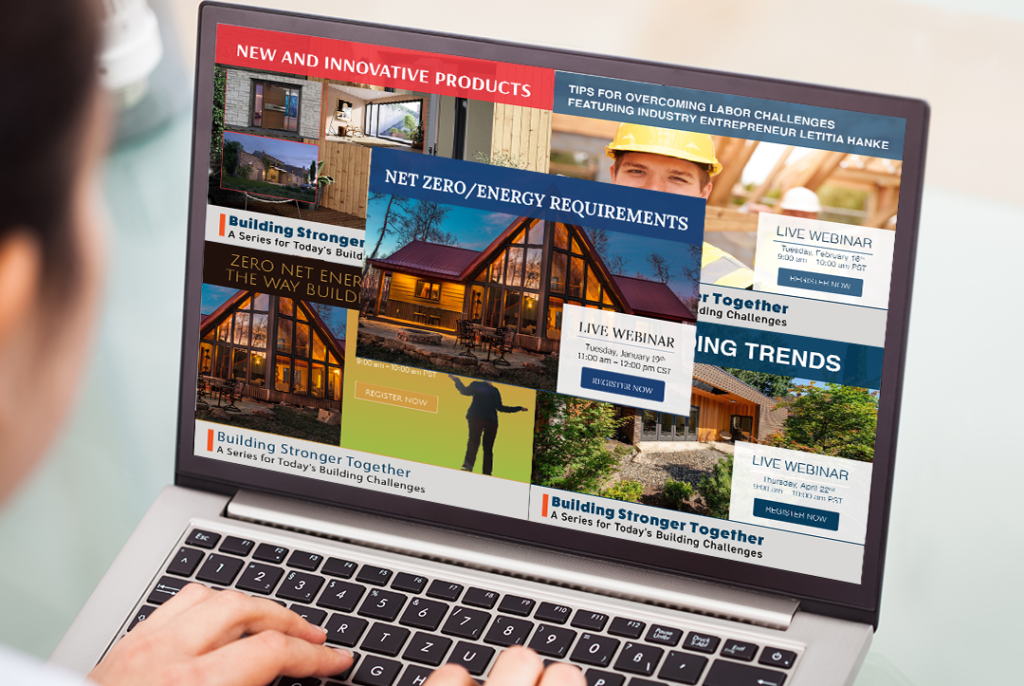
Looking for the best webinars to attend? We’ve compiled the highlights of the five best webinars over the last year in under 60 minutes. You will find information from ADU’s to Zero Net Energy. Join us for an encore presentation of the five most popular topics:

1. Design Trends in Garage and Vertical Folding Doors
Doug Sequeira, from Carriage House Doors, discusses the trends and options for Garage and Vertical Folding doors. These doors are NOT your average garage or scenic door!

2. Sliding Door or Bifold Door? Which is right for your project?
Mariann Salvador, a Marvin Territory Manager in the South Bay of Northern California, explains the considerations in choosing a sliding door vs. a bifold door.

3. 6 Critical Factors to Designing and Building a ZNE Home
Zero Net Energy homes are still a growing trend in the United States. Ann Edminster (Zero-energy/emissions consultant, educator, author), talks about the 6 Critical Factors to Designing and Building a ZNE Home

4. Top Labor Challenges in the Building Industry
The building industry was facing labor shortage issues before the arrival of COVID-19. Now, the industry faces even more labor impacts. Industry entrepreneur Letitia Hanke focuses on how to fix labor challenges

5. ADUs (Accessory Dwelling Units) are still a hot trend in 2021
Accessory Dwelling Units (ADUs) have been known by many names. With many people still working at home, ADUs are an innovative, affordable, effective option for adding much-needed space. We review some of the top ADU trends.


VIEW VIDEO HERE

Content taken from Webinar with Ann Edminster (Zero-energy/emissions consultant, educator, author).

The zero net energy (ZNE) home development movement began in the ‘70s and ‘80s out of the wake of the energy crises in the U.S. The movement was based on work by the Rocky Mountain Institute and Amory Lovins. 

A Habitat for Humanity chapter in the metro Denver area developed the first home documented to operate at zero net energy in 2006. This year, 2021, marks the 15th year that formal ZNE building techniques are being used to achieve this ambitious goal. As of mid-2019, there were about 22,000 documented ZNE homes in the U.S. and Canada. That number has since risen to roughly 28,000. 

As the trend continues, let’s look at some of the benefits of ZNE homes. 

Affordability – There is a misconception from the outside that ZNE homes are strictly for the wealthy. ZNE in multi-family units is a trend that is on the rise, and a large fraction are affordable units. And as mentioned above, Habitat for Humanity has been an early driving force in ZNE home construction.

Increase in Battery Storage – ZNE developers are seeing a heavier interest in being all electric ready, even where that’s not quite the case yet. There’s a trend with zero net efficiency homes to ensure that all areas of the home are playing well with the grid. This can help to bring solar energy usage and production into alignment in ways that weren’t previously possible. 

Incentives Increase Opportunity – California has been an early pioneer in the ZNE movement. There are more than 40 local governments statewide that are incentivizing or requiring all electric in their new construction. These new incentives will drive what the market looks like in the near future. As more people buy ZNE homes costs will go down. 

The 6 Critical Factors of a ZNE Home

These aren’t the only benefits of ZNE construction. The construction process opens up unique benefits because of the distinct differences from traditional construction. 

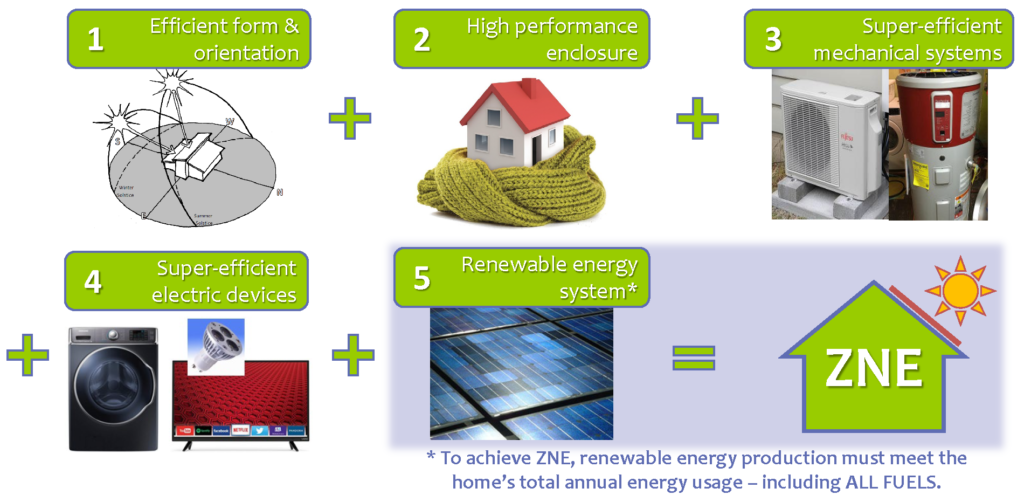
Let’s look deeper at six critical factors for building a ZNE home: 

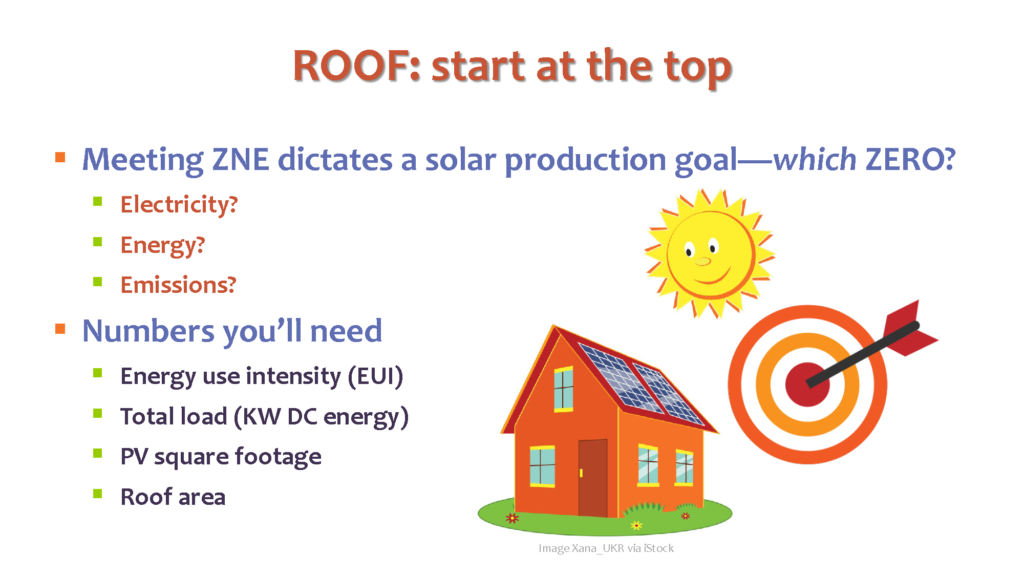
  • The roof
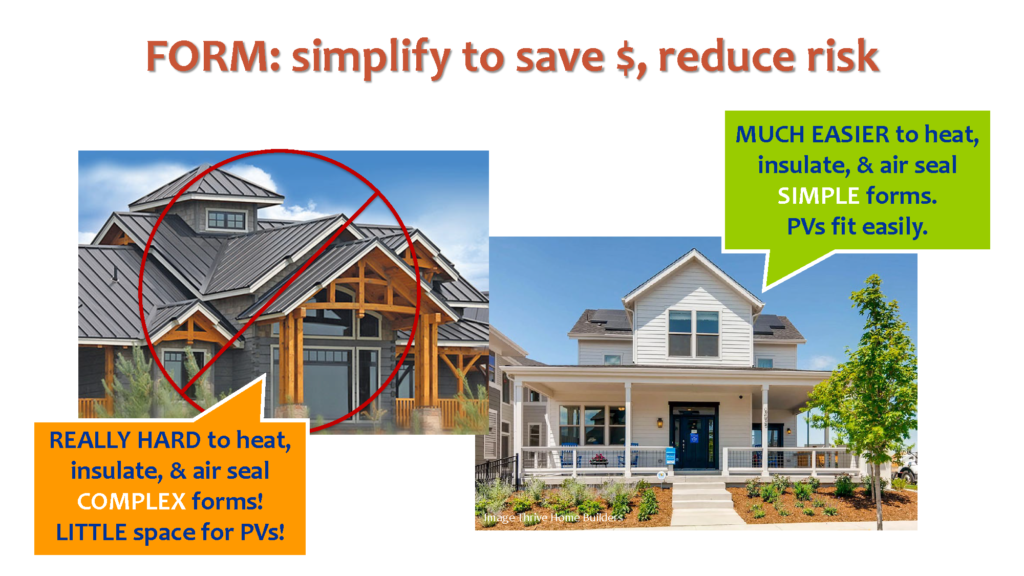
  • The form 
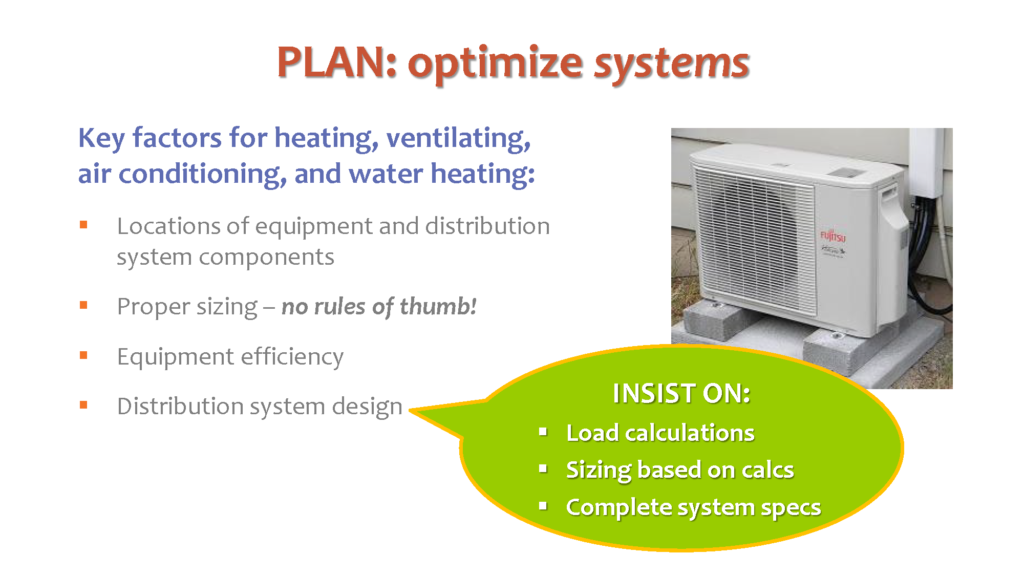
  • The plan 
  • The enclosure
  • The windows
  • The documentation

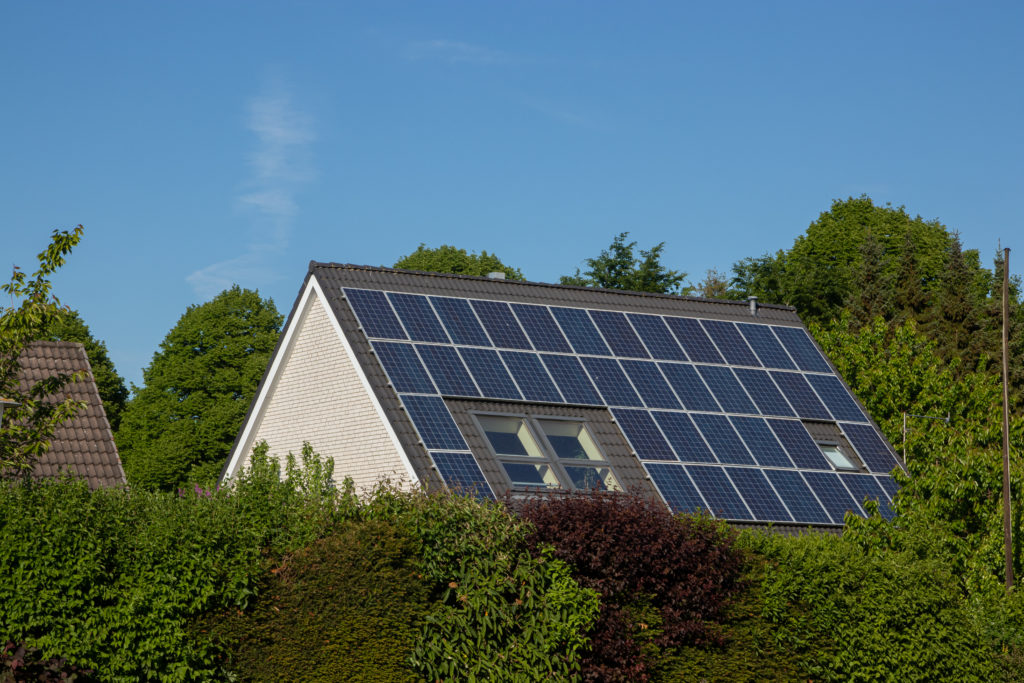
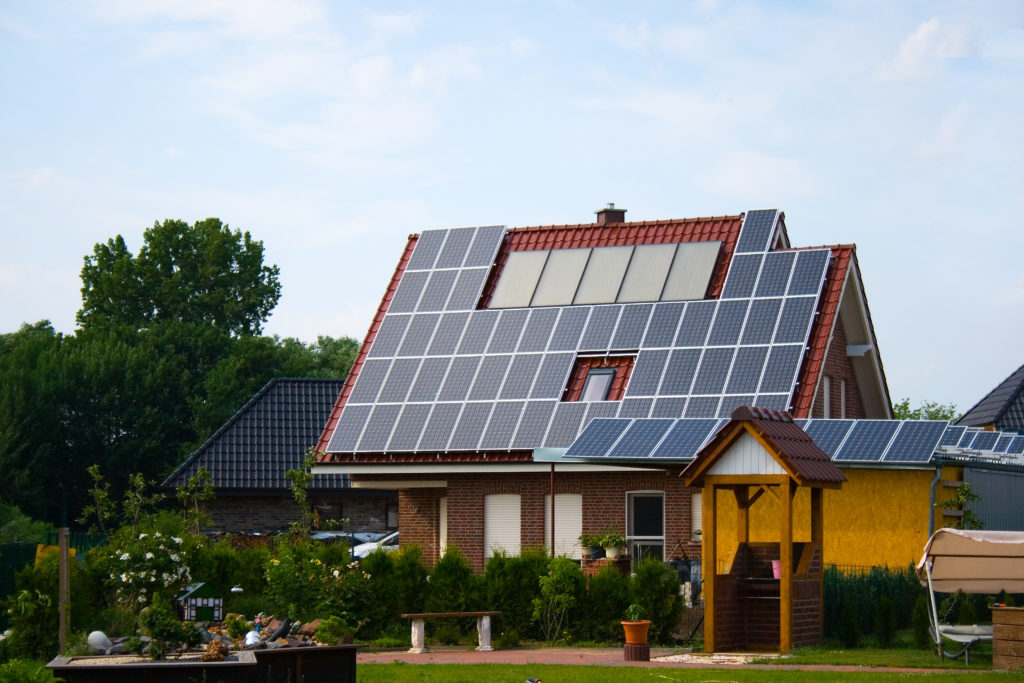
The Roof – Figuring out the solar production goal has been made easier with websites that can help you to determine this number, based on your local climate. Based on this number, you can determine the square footage of panels needed. But it’s important not to forget that in most areas, the fire code needs clearance around the panels. Contractors can also help precisely determine this number. 

The Form – The form of the home must neatly fit into the ZNE goals. You can have an elegant looking home where the design is difficult to heat, cool, insulate or air seal. That will add problems that detract from ZNE homes. These practical necessities must be factored into the form of a ZNE home. When these considerations are made early in the design process, the result is an end product that’s more efficient. 

The Plan – It’s critically important to consider HVAC, plumbing, and other integrated systems early in the planning.  Short duct runs and careful planning can put less stress on your HVAC system, resulting in a higher energy efficiency. The same principle applies to the plumbing throughout the house, and water usage. The shorter the run, the easier it is to deliver hot water. 

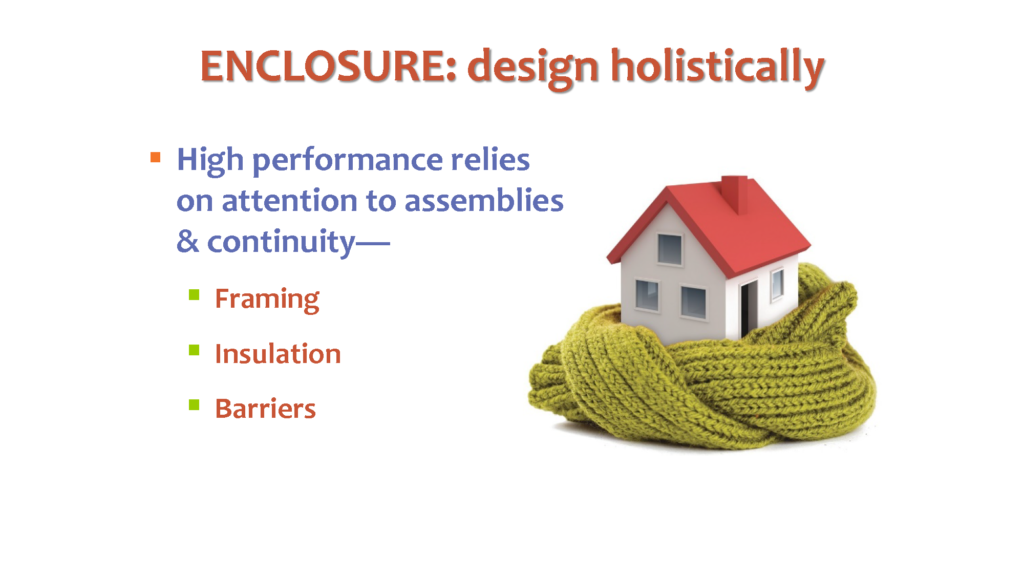
Enclosures – This is where many begin thinking about energy efficiency. The framing, insulation and barriers all have an impact on energy exposure. The air barrier, water barrier, and thermal barrier are all extremely important in ZNE construction. 

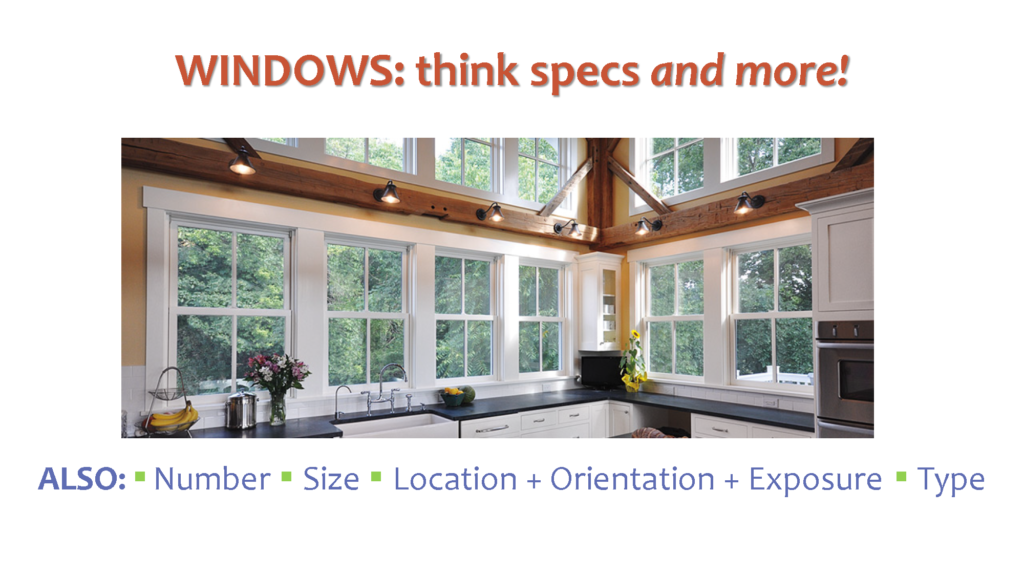
Windows – With ZNE homes, the number of windows, their size, location, orientation, and exposure are all important, and considered early in the process. Solar heat gain coefficient needs to be .24 or less. With ZNE homes, the home can be overheated with too high of a coefficient. The result is a well-ventilated home that’s able to produce a significant amount of natural energy.

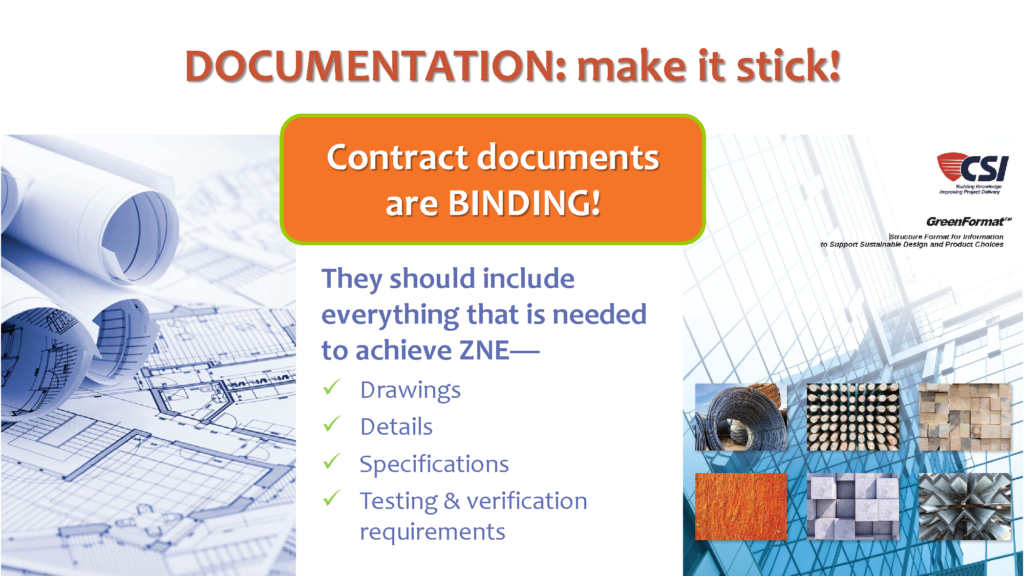
Detailed Documentation – Much of what happens in the ZNE building process is not the same as a conventional home. There will be enhanced levels of documentation to ensure that all building goals are met, and documenting the steps completed in construction. This can help put the homeowner’s mind at ease that these steps were done right, the first time. 

The Many Benefits of ZNE

A ZNE home is wonderful for the environment, and can save homeowners on utility costs in the long run. It’s a growing trend that can benefit homeowners of all different financial statuses. It also offers some wonderful benefits to the homeowner that come from an enhanced planning process and considerations made along every step of the way. 

Wanting more ZNE information? Check out our article: Getting To Zero Net Energy (ZNE) and Differences Between Title 24 and Zero Net Energy.

Click Here to View Full Webinar

We produce frequent webinars. Register for future webinars or view past webinars HERE.

Content from Webinar with Ann Edminster (Zero-energy/emissions consultant, educator, author).

The Difference Between Title 24 and ZNE

When we talk about the difference between Title 24 and zero net energy, it helps to understand a little about the meaning of both. 

Title 24 lays out the requirements within the California Energy Code that help make homes more energy efficient, cost effective, and eco-friendly. Zero net energy is a movement with the construction and architecture fields to create homes that are energy neutral in production and consumption. 

So, while there are similar goals and purposes involved, there are some distinctions that can be made between the two. 

Background on Title 24

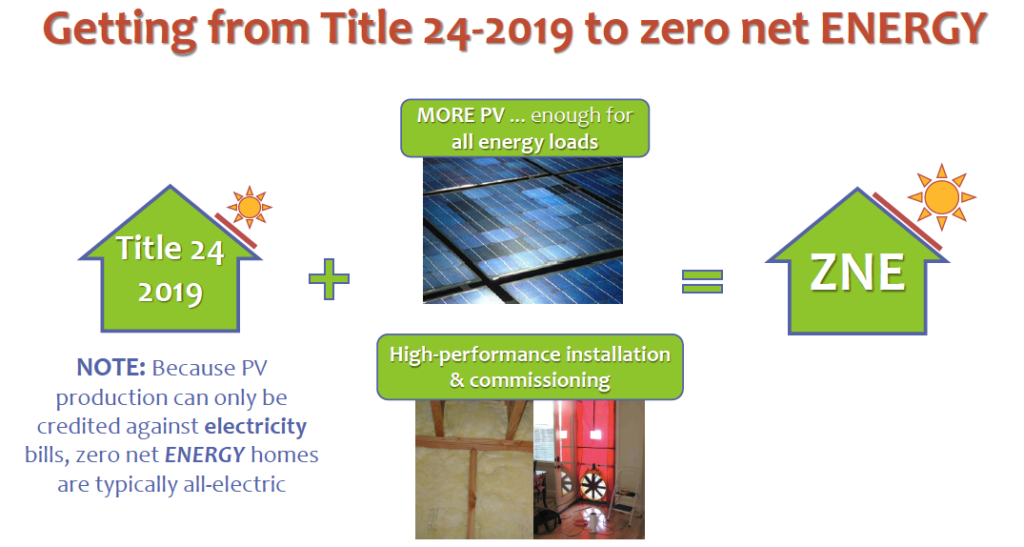
The Energy Commission in California has always been driven by cost effectiveness. Every advance needs to be cost effective by a very precise definition that can’t always be met. The electricity loads of a conventional mixed-fuel home must be offset with solar photovoltaics (PV). 

What this means is that Title 24 is zero net electricity, not zero net energy. This assumes that the electric loads are the standard ones in a mixed fuel home, and this means there’s not a different requirement whether the home is in fact electric or mixed fuel. 

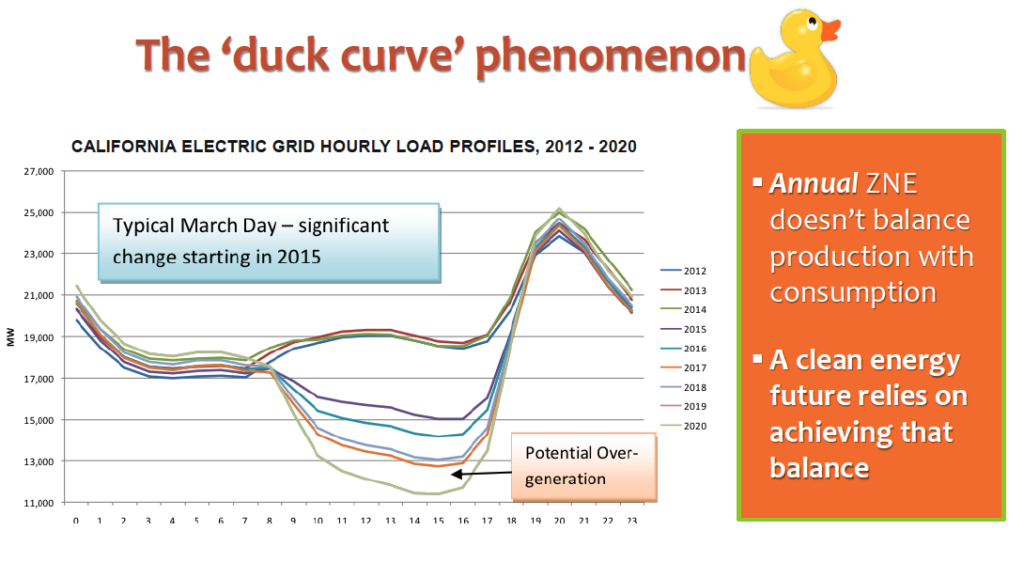
Water heating and space heating can be excluded from the calculation to determine the size of the PV load. Part of the reason for this is known as the Duck Curve, which is a big deal in California, Hawaii, Texas, and several other states. 

What is the Duck Curve? 

The Duck Curve is a curve showcasing solar energy production and consumption, and appears in the shape of a duck’s body. 

As more solar power enters the grid, there is a glut, which becomes the duck’s belly. There is over-generation in the afternoons, while the sun is shining, and overall usage is down.

Once the sun starts to set, usage ramps up. In other words, solar production plummets at the same time that demand is at its highest. When families return from work and school, people start cooking, doing laundry, watching TV, and doing homework on computers. This increased demand accounts for the shape of the duck. 

Year after year, as more solar energy systems come online, the belly of the duck grows larger. In California, this has resulted in an emphasis on figuring out the storage component as more homes are built. At the moment, California is emphasizing zero net electricity with new construction through Title 24, as a means to figure out the storage component. 

The Difference Between Zero Net Electricity, Zero Net Energy, and Zero Net Emissions

ZNE can be a confusing concept because it can be used in reference to electricity, energy, or emissions, and not all are the same. 

The main difference between zero net electricity and zero net energy is the amount of PV to offset energy loads, space heating, and water heating. The high-performance installation and commissioning for these projects is critically important, though it’s not all that’s required in Title 24. 

We get to zero net emissions from zero net electricity if it’s an all-electric home. That means there can’t be in-home gas combustion, and all the home’s energy needs to be zero emissions. That can come from either enough solar on-site with a battery (with no grid reliance at all), or all the energy purchased off the grid for the home is zero emissions. 

Many utilities offer a premium service that is 100 percent renewable, and community choice aggregators are increasingly common in the west. 

Title 24 and ZNE are Different

While Title 24 and ZNE have similar goals, they are different measures. Title 24 is a California regulation to allow for more solar power storage capacity that benefits homes and addresses the Duck Curve. This fulfills a more specific purpose than zero net energy, electricity, or emissions.  

Click Here to View Full Webinar

We produce frequent webinars. Register for future webinars or view past webinars HERE.

Interview with Maria Danielides, Principal at Maro Designs

Housing introspection. Ordinarily, these two terms would not be used in the same, single phrase. And yet, this appears to be what architects have encountered with a shift of homeowner perspectives over the last year. Maria Danielides, Principal at Maro Designs, helped shed some light on the current mindset of residential clientele around the San Francisco Bay Area and how it is impacting the rest of the country in an interview with Alex Tran; an architectural sales consultant for BMD in the Millwork division.

In her interview, Maria outlined how certain demographics in her target market tended to react to the current situation in one of two ways. Either clients seemed to shy away from completing renovation projects that they had been planning due to anxiety and a desire to maintain their safety, or they actually became hypersensitive to various other deficiencies after spending higher amounts of time in their home and wanted to address them. She took the time to note, however, that those who became more motivated to accomplish repairs and renovations were a more narrow set of her clientele that were confident in their means to complete these projects.

“They just have a heightened awareness of deficiencies or there might be things like disrepair that is really becoming more of a front-burner issue for them, and that could be any number of things, temperature control, noise mitigation, separation, a quiet space. “

But it’s not just interior renovation plans that have been affected by the response to COVID. Maria goes on to describe how they’ve seen a noticeable uptick in exterior projects like outdoor kitchens, playgrounds, and landscaping as residents are desperate to give themselves a break from confinement and spend some time outside. However, as much as residents are seeking to take advantage of record low interest rates and address various pain points, it can be difficult to adjust to sheltering-in-place during a big remodel.

At the end of the day, weighing the pros and cons of moving ahead with renovations or repairs appears to be a bit of a mixed bag as certain demographics begin to turtle up and wait for the “all clear to be called,” while others seize the opportunity to reinvest in their property or take their first plunge into the market. That being said, there is one type of project that, according to Maria, has seen a noticeable increase in volume over the past several years: accessory dwelling units.

Due in no small part to the housing crisis the Bay Area experienced over the past few years, city building and planning departments began to proactively promote these dwellings and allow zoning where previously they may not have been permitted before. Whether because their clients had multi-generational concerns in mind or were potentially convinced by the prospect of passive income from renting these spaces out, the current circumstances only helped to compound on the interest in these separate spaces.

“But then it can be something that they want to build in, so that it legally is an accessory dwelling unit and not just a guest room, so that they have a choice to move forward in renting it, or perhaps somewhere down the road, mom or dad come back and live with them and want their own separate space, or I could also see the adult child coming back from home, back to home from college or between jobs or what have you, and that also is a reality for I think probably a lot of people…”

Maria went on to explain that while these projects definitely represent good, long-term investments, they aren’t cheap and take a good amount of planning and execution to make them work effectively.

So, where does that leave builders and contractors outside of San Francisco and California at large? Simply put; the market is in quite a bit of turmoil and motivations for repairs and renovations are in a state of flux as well. Knowing a given market’s needs and understanding the current mindset of target demographics becomes even more crucial as lockdowns roll on and shift the set of circumstances affecting both business and residential clients. Knowing how to get to grips with new objections and counter them with relevant solutions that take advantage of currently accessible incentives is going to be the key.

In the end, no one can put a price on the long-term success and security of their businesses and families. Every penny committed to permanent improvements and adding value is always money well spent and, in this time of uncertainty, seems like a solid strategy for those with the means who might find themselves teetering on the fence.

Click Here to View Full Webinar

We produce frequent webinars. Register for future webinars or view past webinars HERE.

with Ann Edminster – Zero-energy/emissions consultant, educator, author

What is ZNE and What Are the Benefits? 

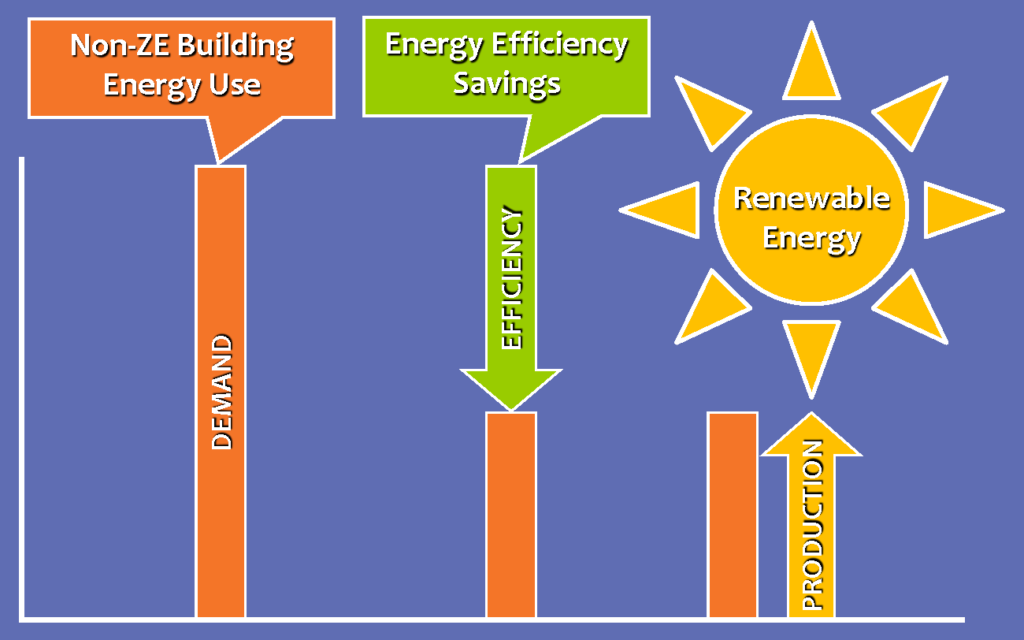
ZNE, or Zero Net Energy, is a construction movement centered around optimizing the efficiency of a home, so that the owner’s energy demand is met, typically on-site. As the movement grows, it is sometimes referred to as Zero Net Electricity, or Zero Net Emissions, but it typically revolves around the same ideas. 

Both energy consumption and production are factored into the equation with ZNE homes. 

While the target is to come as close as possible to neutralizing energy consumption, ZNE isn’t always 100 percent achieved. But building with these concepts in mind still carries an environmental benefit and offers tremendous advantages to the homeowner. ZNE principles will bring builders, developers, and homeowners further than simply trying to create something that is energy efficient. 

The Principles of a ZNE Ready Home

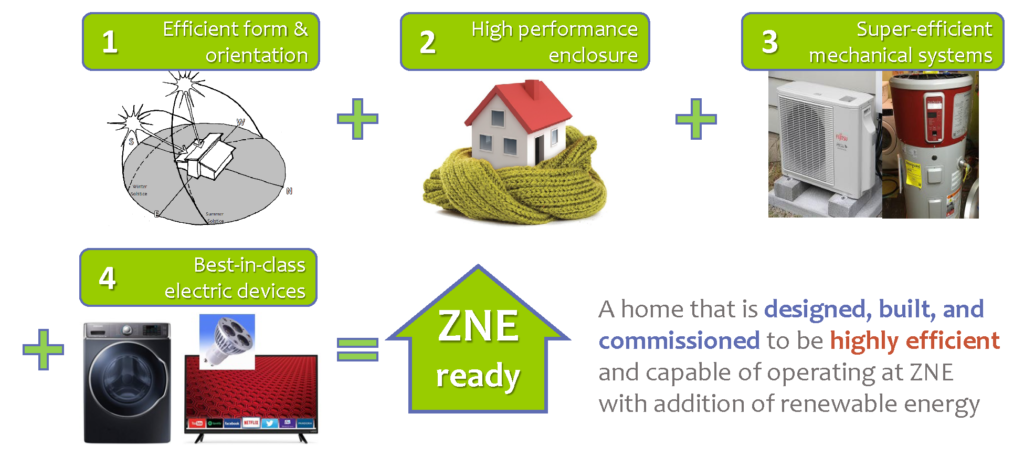
ZNE ready homes revolve around four main components: 

  • An efficient form and orientation 
  • A high-performance enclosure
  • Efficient mechanical systems 
  • Best in class electrical devices

The construction process is important for implementing all of these components. It’s important to be attentive with each of these components to achieve ZNE. 

The Benefits of Energy Efficiency

Everybody loves efficiency, but it’s the benefits that it brings that truly register with homeowners. Lower energy use results in lower utility bills and increased comfort. Certain parts of the country, such as Northern California, may remain susceptible to public safety power shut offs. While this would be a problem for climate control in most homes, a ZNE home will have more mechanisms in place for maintaining a comfortable temperature. This is true during the winter or summer and makes it a valuable health and safety benefit. 

Let’s look at a more complete picture of the benefits stemming from reduced energy consumption:

  • Better indoor air quality
  • Quieter interiors
  • Hot water arrives faster
  • Protection from rising utility costs
  • Fighting climate change

How Solar Power Helps ZNE 

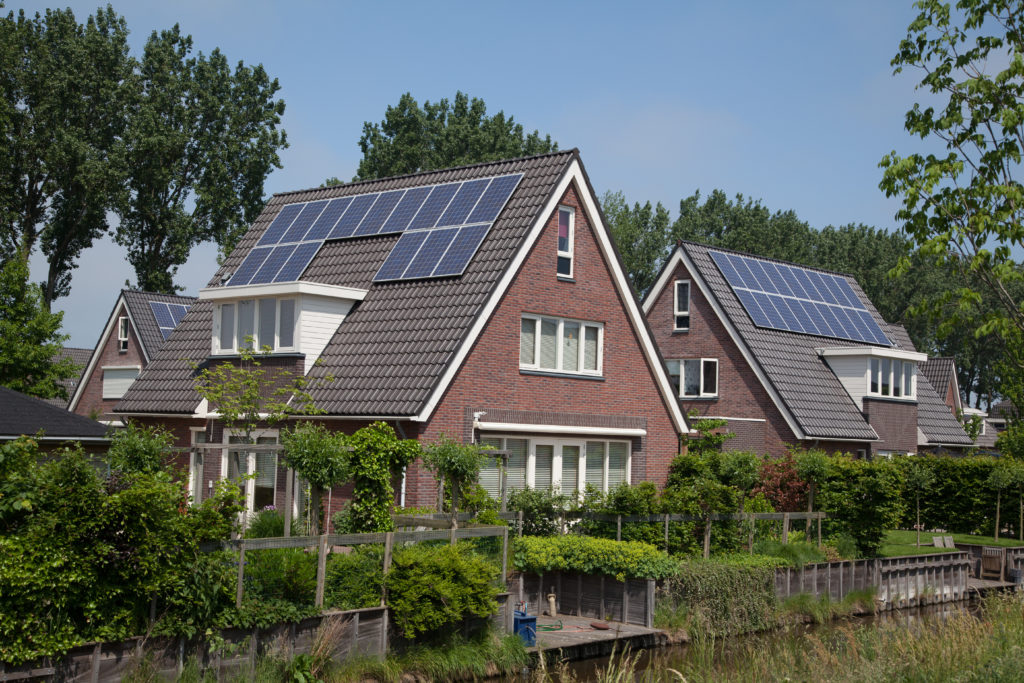
Renewable energy production must meet the home’s total annual energy usage to qualify as a Zero Net Energy home. This includes all fuels. A solar energy system adds further benefits. Solar provides the homeowner with free (after the system is paid for) renewable energy any time the sun is shining. 

Batteries have become an increasingly popular part of the solar energy system to be able to continue to utilize that energy around the clock. This has become increasingly important as we have more people working from home, or going to school remotely, who can ill afford to lose power. 

Solar power systems have been shown to add about 4 percent to a home’s resale value, while using natural energy verses non-renewable fossil fuels. When a home receives all its energy from renewable energy, it becomes a zero emissions home and can offer the homeowner significant value. 

A Win for the Builder and Homeowner Alike

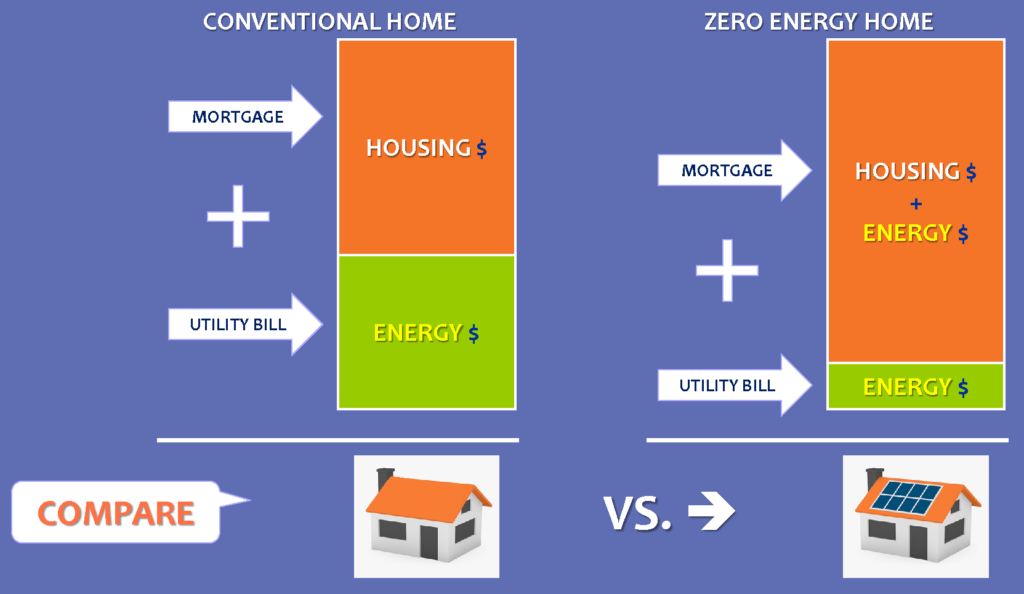
For the homeowner, a solar energy system may provide significant monthly savings in the form of reduced, or no utilities. This can add up to several hundred dollars per month, depending on the size of the home, and amount of energy consumed. 

When a builder includes a solar energy system, they may be able to recoup a small amount of that energy savings by increasing the monthly mortgage. The homeowner still sees their savings, and the builder sees profit. It’s a win for both parties. 

Zero Net Energy homes bring a more focused approach to creating energy efficient homes that benefit all parties involved while helping the environment. 

We produce frequent webinars. Register for future webinars or view past webinars HERE.

Click Here to View Full Webinar

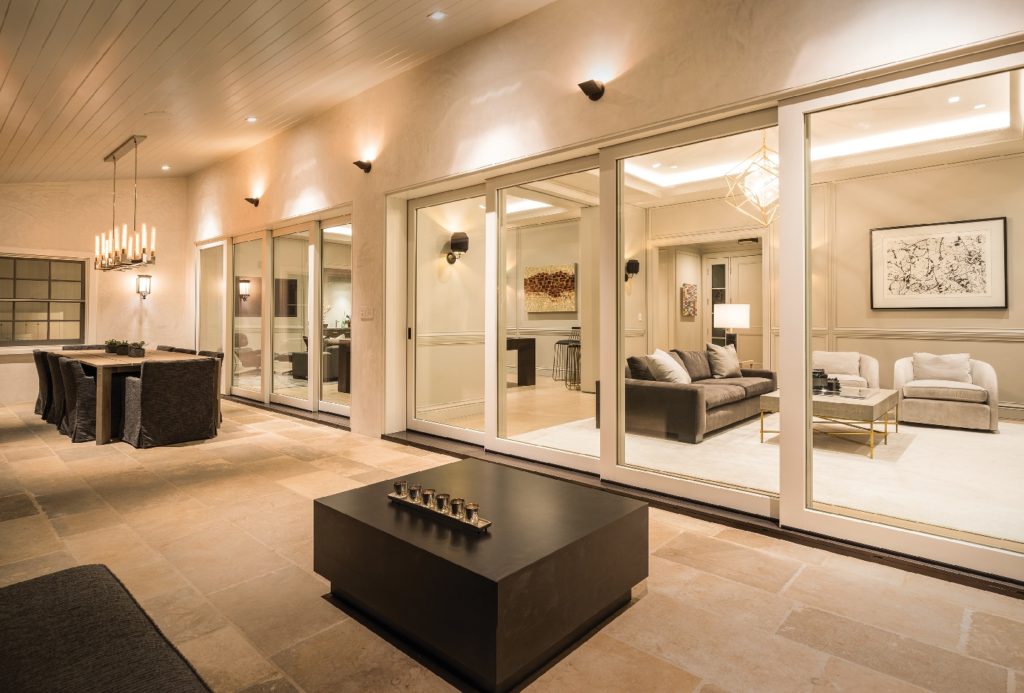
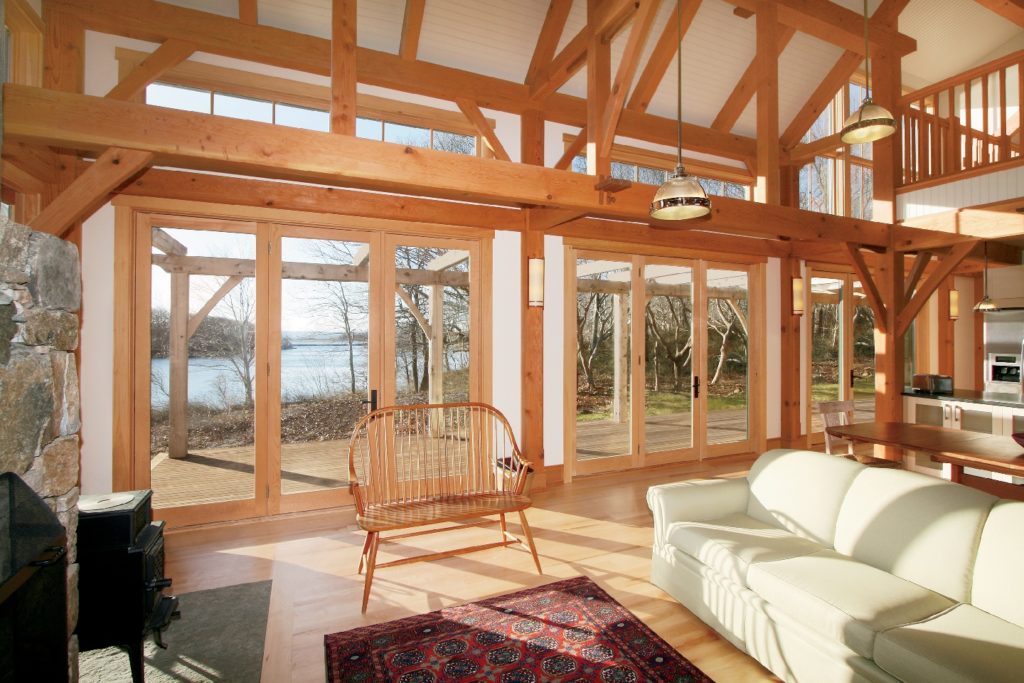
The use of a large scenic doors is a rising trend, especially in affluent homes with sufficient square footage. These doors can flood the living space with large amounts of natural light, providing an uplifting experience while spending time in the kitchen and living areas. The natural light generated from scenic doors increases the value of the home, and even provides additional health benefits to the homeowner.

Scenic doors provide an environment with the feel of no walls, and no boundaries. All that separates homeowner from the outdoors is a simple layer of glass, and when it’s open the home is filled with fresh outdoor air. 

It’s important to consider the necessary steps for a proper scenic door installation, however. That begins with making sure that you hire an experienced professional installation and engineering company like Precisions Building Solutions to handle the job.   

It takes a lot to go from a standard door to one that may be as large as 15 feet wide, and 8 feet tall, for example. Architects, builders, engineers, and homeowners need to understand the process, and have proper expectations for the project to be a success. Here’s five tips for scenic door upgrades:

1-When to Bring in the Engineer

It’s important to understand that creating a door of that magnitude will reduce the structural capacity of the building. When you remove the building materials of the exterior walls and replace it with glass, it’s important to involve an engineer as soon as possible, to think about how to redistribute that load in a proper manner. 

The larger the opening, the more significant the redistribution that will need to take place. Once you have the size of the opening determined, and what the door will look like, it’s time to start asking the engineer how the building can be strengthened to accommodate that opening – and that’s a conversation that should take place at the onset of the project.

2-Determining the Best Scenic Door Design for Your Home

Homeowners have a choice between large sliding doors and bi-folding doors. Window and door companies have a number of large scenic door options.  When you have a beautiful view right outside your home, the tendency is to want to hide the door, so that you can keep more of the view. Pocketing doors become popular in these homes, for that reason.
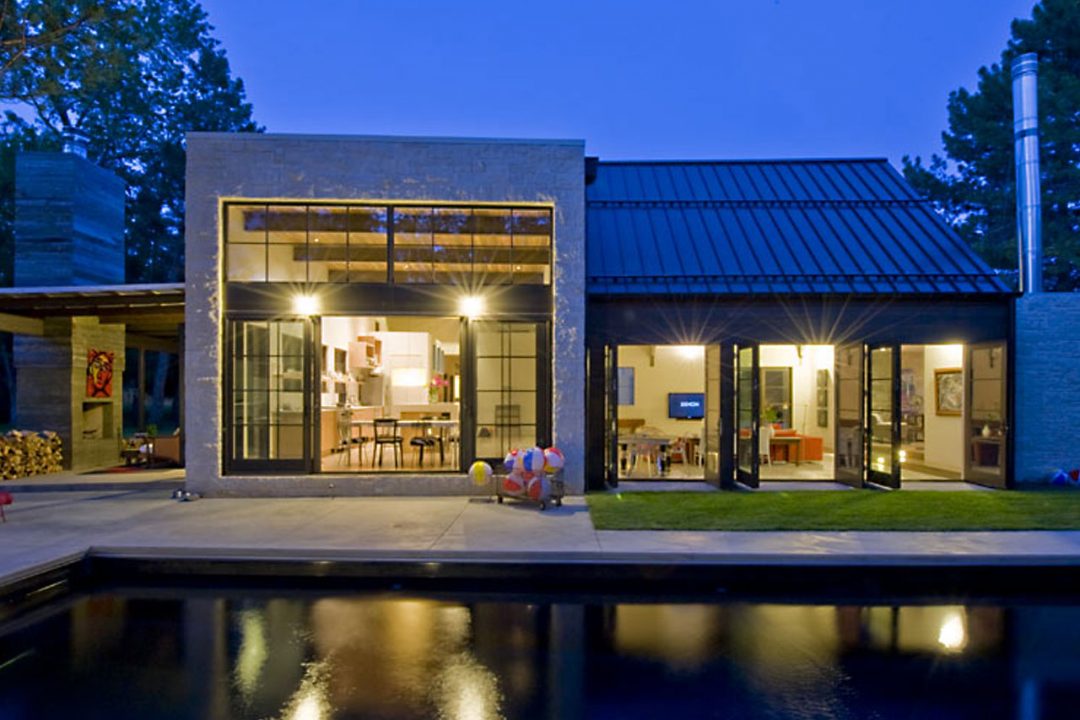
There are a few considerations to think of here. If you have a sliding door with no pocket, it’s important to make sure you have the space for the window to stack up against the wall. That can be a 10 to 12-inch sacrifice and can cut down on interior space. 

This is when a bi-fold door might become a more accommodating option. Bi-fold doors will stack outside, so there needs to be enough room there. Another thing to consider is that bi-fold doors are top hung, and weighted at the top. They typically have a pretty substantial head jamb, that may shorten the height of the door. Sliding doors are bottom weighted, so you can avoid that problem. 
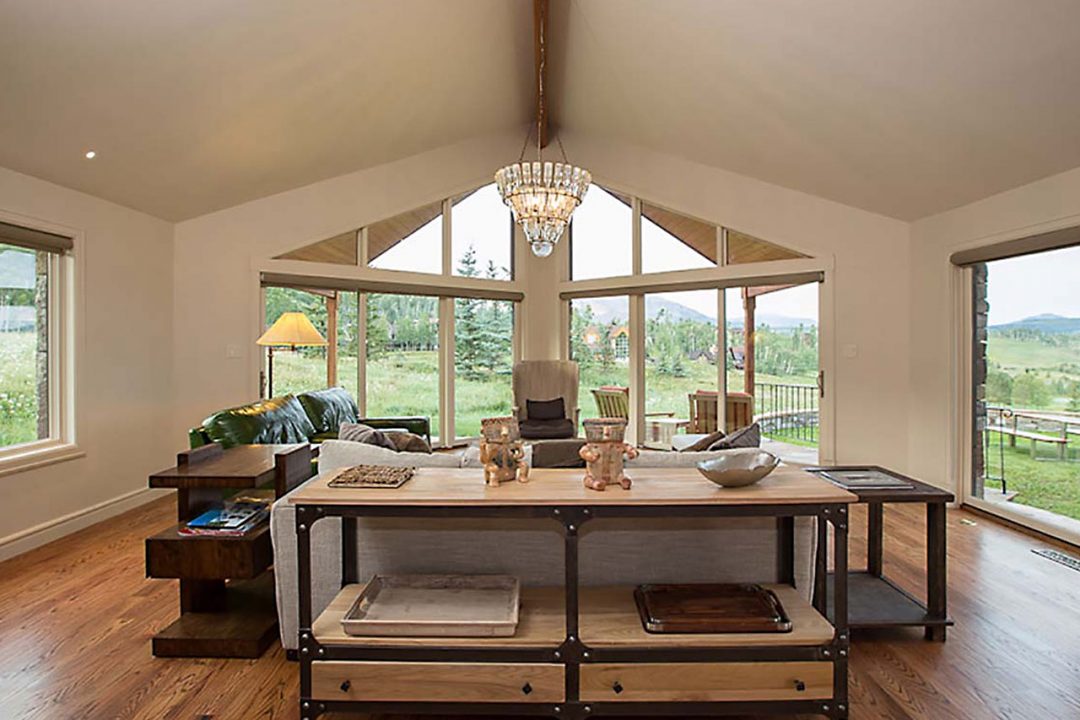
3-Constructibility (Making Sure It’s Feasible)

The constructability, or feasibility of a scenic door depends on the unique environment of the home. There are some important considerations to make to determine if a sliding glass door is an appropriate addition to your home. 

Bi-fold doors typically work with a 2×6 wall, and the header needs to be designed to carry roughly 7 pounds per square foot on the weight of the door, with a maximum 1/8 inch of deflection. That deflection becomes the enemy of the bi-fold door system, and will eventually cause problems. It’s important to make sure the additional load on the header is taken into consideration.

The sliding glass door systems become continuously deeper as you add panels. It’s not uncommon to see jambs that reach 12-13 inches deep. If they are pocketing systems, you’ll need to add the thickness of the anterior pocketing wall into that dimension. 

4-Engineering – The Structural Considerations that Need to Be Made

Some considerations need to be made as you choose between a sliding glass door or a bi-fold system. The load of the door can reach anywhere from 400 to 600 pounds in some cases, and with the bottom load of the sliding door, there’s a need to put locking inside to carry that weight. With a top-weighted bi-fold, the jamb will be larger to carry the load. 

There are also structural considerations with automation, and with screens. With automation, many times homeowners will want to conceal the motor, so that it doesn’t obstruct the view from the window. But that motor needs to remain in a position where it is still serviceable should maintenance be needed. With screens, stacking needs to be considered, and the ability to lay a seamless transition. Most homeowners are not going to want a sill that needs to be stepped over in order to go inside or outside.

 5-Understanding the Role of the Builder

Builders are becoming more involved in the scenic door process, and they field many of the above questions. Builders should be involved as close to the beginning of the project as possible, so that everyone involved in the project can be on the same page. 

The builder’s general knowledge of the products involved is always immensely helpful. They need to have a general ability to think outside the box and to work with the engineer to implement the solutions to structural problems. When builders bring a strong attention to detail, it helps with the outcome of the project. 

Scenic Doors Enhance the Home

There is no question that scenic doors add to the value of the home, and enhance the homeowner’s living experience. They are a luxurious option that allows for a maximum level of natural light. But these tips should be taken into consideration for any scenic door project to ensure the quality of the installation, and that the homeowner can appreciate their new door for years to come.

If all this sounds a little overwhelming, we’d like to help. Our expert team can help you determine the best for your scenic doors. Click HERE to have one of our team members contact you.

Thursday, June 17th, 2021
9:00 a.m. PST

With shifting industry trends and remarkable innovations, we’ve been paying close attention. We take a look at some of the top home building products in this webinar.


VIEW VIDEO HERE

Thursday, April 22th, 2021
9:00 a.m. PST

Accessory Dwelling Units (ADUs) have been known by many names: granny flats, in-law units, backyard cottages, and more. With more people working at home, ADUs are an innovative, affordable, effective option for adding much-needed space. Join us to review some of the top ADU trends.


VIEW VIDEO HERE

Tuesday, March 16th, 2021
9:00 a.m. PST

After a year that required more people to spend more time at home, many see 2021 as an opportunity to bring comfort and creativity to living spaces. Join us to take a look at some of the biggest home remodeling trends for 2021.


VIEW VIDEO HERE

398_WUINDH_PIF_wht_LR_11_MW_c2

Tuesday, February 16, 2021
9:00 a.m. PST

One of the biggest challenges in operating a business is finding good talent.


VIEW VIDEO HERE

BMD ClearOvations Folly Farm Project pool view of home at night

Tuesday, January 19, 2021
9:00 a.m. PST


DOWNLOAD ZNE SLIDES


VIEW VIDEO HERE

BMD ClearOvations Mountain Dwelling Project sitting room windows

Tuesday, December 15, 2020
9:00 a.m. PST


VIEW VIDEO HERE

  • Page 1
  • Page 2
  • Go to Next Page »
BMD_Logo_RGB_Full

1-800-356-3001 | 225 ELM AVENUE, GALT, CA 95632

HOME | CORPORATE | BMD BRANDS | FOREST PRODUCTS | CONTACT | PRIVACY POLICY

FIND YOUR REGION

Send us a message

  • This field is for validation purposes and should be left unchanged.
  • By providing my phone number to “BMD, Inc., I agree and acknowledge that BMD, Inc. may send text messages to my wireless phone number for any purpose. Message and data rates may apply. Message frequency will vary, and you will be able to Opt-out by replying “STOP”. For more information on how your data will be handled, please visit PRIVACY POLICY.

Regions

SOUTHERN CALIFORNIA

NORTHERN CALIFORNIA

EAST

NATIONAL

Products

WINDOWS

DOORS

WEATHERIZATION

FIRE-RATED PRODUCTS

AGRICULTURAL WIRE & FENCING

DECK & RAIL

FASTENERS

ROOFING & ACCESSORIES

SIDING & TRIM

INSULATION & ACCESSORIES

VENTILATION

CONCRETE ACCESSORIES

FOREST PRODUCTS

BMD Companies

CARRIAGE HOUSE DOOR

KANSAS CITY MILLWORK

MOEHL MILLWORK

PRECISION BUILDING SOLUTIONS

TEXAS DOOR AND TRIM

ALL, INC.

BRIDGETOWN WINDOW & DOOR

LIGHTSTYLES

GLENVIEW DOORS

WINDOWS & DOORS BY BROWNELL

© 2026 | BMD Inc. | Careers with BMD | Privacy Policy

Allura Information Request

  • This field is for validation purposes and should be left unchanged.

Epoxy More Info Request

  • This field is for validation purposes and should be left unchanged.

RISE Request More Info

  • This field is for validation purposes and should be left unchanged.
  • Fields with * are required.

Arbor Wood More Info Request

  • This field is for validation purposes and should be left unchanged.

IG Railing More Information Request

  • This field is for validation purposes and should be left unchanged.

Renlita Information Request

  • This field is for validation purposes and should be left unchanged.

RDI Contact Form

  • This field is for validation purposes and should be left unchanged.

Dolly Varden Sample Request

  • This field is for validation purposes and should be left unchanged.
  • Address where samples are to be sent to.

ZNE Contact Form

  • This field is for validation purposes and should be left unchanged.

Glenview More Info Request

  • This field is for validation purposes and should be left unchanged.